Sunday, September 27, 2015

A630.8.4.RB- Build a Tower, Build a Team


After viewing the above video, reflect on the following questions in a well-written post on your Reflection Blog.
  • Do you agree with Tom Wujec's analysis of why kindergartners perform better on the Spaghetti Challenge than MBA students?
  • Can you think of any other reasons why kids might perform better?
  • In your view, why do CEOs with an executive assistant perform better than a group of CEOs alone?
  • If you were asked to facilitate a process intervention workshop, how could you relate the video to process intervention skills?
  • What can you take away from this exercise to immediately use in your career?
Tom Wujec is a Fellow at Autodesk, a leading innovator of 2D and 3D design software serving the Architecture, Building, Manufacturing, Design and Entertainment industries. As a recognized thought-leader and award-winning innovator, Tom works with leading edge Fortune 500 companies to foster visualization practices and has created simple digital sketching software to advanced visual collaboration systems.

Tom Wujec notes in his 2010 TED Talk that marshmellows can teach "very deep lessons about the nature of collaboration“. Teams of four have to build the tallest free-standing structure out of 20 sticks of spaghetti, one yard of tape, one yard of string and a marshmallow. The marshmallow has to be on top. Teams have eighteen minutes to complete the task.

The Marshmallow Challenge "forces people to collaborate quickly” and many go about it in a patterned, predictable way that can be charted (Wujec, 2010). Most teams waste a good deal of time vying for power, which is followed by a planning stage, a building process, and at the end as time draws to a close, the team works an integral piece of the challenge in: adding the marshmallow to the top. This is why most adults - particularly educated adults with clear leadership roles in their organizations - fail to sustain standing structures. Tom Wujec said he has done this with over seventy groups. Surprisingly there is a clear classification of which groups of people perform better and who perform the worst. Kindergarten students do better than just about every adult group besides architects and engineers (thankfully).

What makes these seemingly feeble minds so extraordinary is what they don't know how to do yet: KIDS DON'T CARE ABOUT POWER. 

When the kids are explained the challenge, they go in with no egos, no positional titles or perceived genius or specialization. One would think those at the highest levels of organizations or departments would be masters of communication, but it seems titles interfere with their collaboration skills. Therefore, kids focus on the task at hand, paying particular attention to the multiple, expected failure before coming up with a strategy that works. As they fail, they learn quickly and adjust their technique. This type of collaboration is the essence of the iterative process.
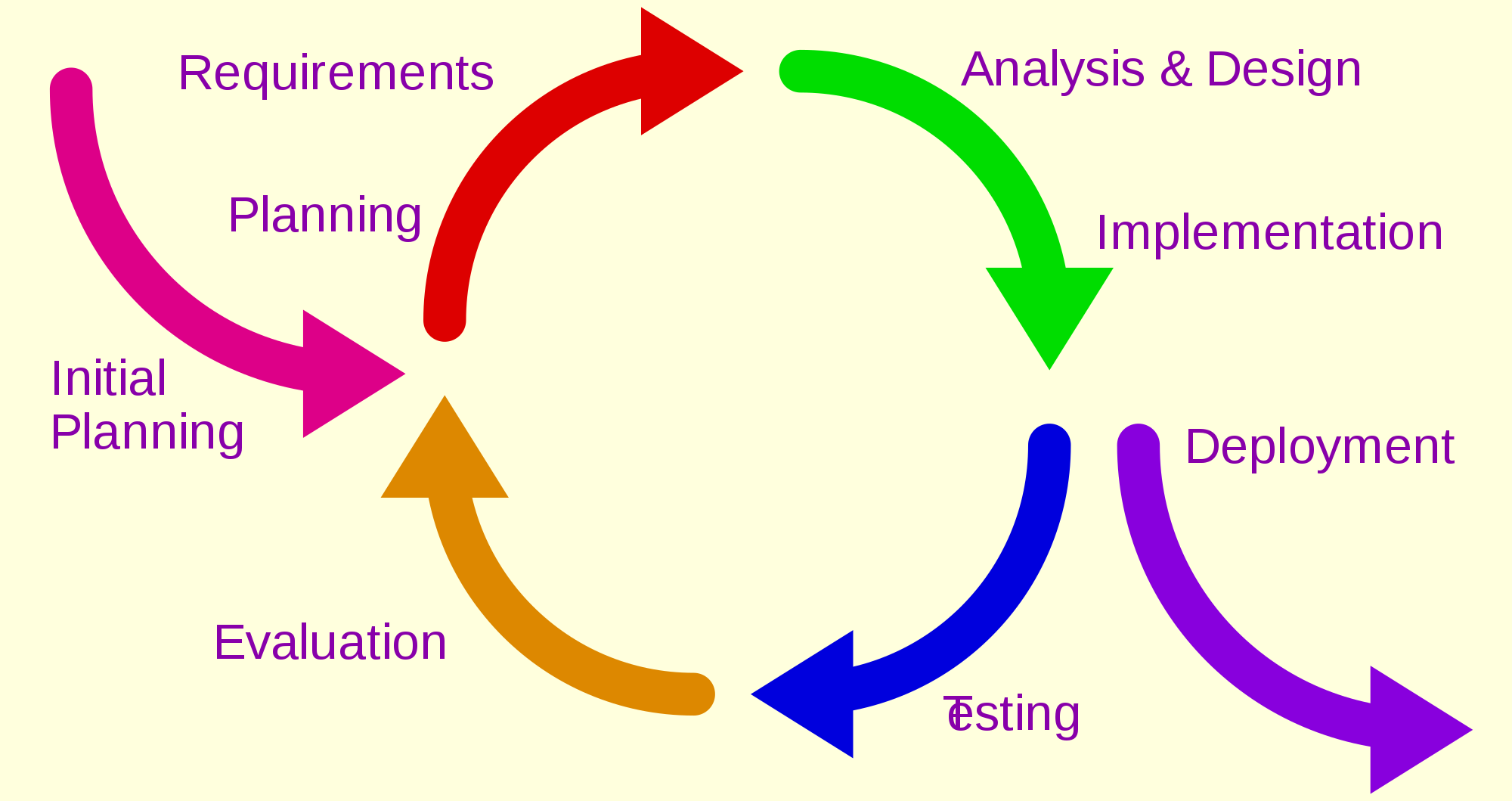
The Iterative Process: A process for arriving at a decision or a
desired result by repeating rounds of analysis or a cycle of operations.
With each version, kids get instant feedback about what works and does not work. Children do not base self worth on a single task, and care less about winning than adults do - in fact, we teach children to value winning rather than learning. This should be the fear of the emerging leader - the average adult wastes time thinking about theory, while children are busy learning from application - and learning from application is key to thinking outside of the box .Also, as adults, many of us have lost that understanding of potential failure for simple tasks. The task seems easy; who needs 18 minutes? Therefore, we establish ourselves as smart, listen to everyone else's poor idea and wait until the plebeians listen to us and our great idea; then the infighting begins and by the time an agreed upon technique is found, there's five minutes left.
The example evoked two quotes:
I have not failed. I've just found 10,000 ways that won't work.
Thomas A. Edison
This is the mindset of a child with critical thinking skills. A team of five and six-year-olds really has nothing to prove alone, if they recognize they are working in a team. The goal is to achieve success together, not for one to shine above the others.

However, in most workplaces, a parent-child dynamic like this reigns over workers from managers:
Listen, you little wiseacre: I'm smart, you're dumb; I'm big, you're little; I'm right, you're wrong, and there's nothing you can do about it.
From Matilda (1996)
Recalling the discussion on the space shuttle Columbia (blog entry on September 10, 2015), strides to improve values and culture are essential to the success of any program or project implemented by a department or organization, If teams do not feel accepted for their strengths and beliefs, the "ta-da" turns into an "uh-oh," which can be because the weight of the marshmallow topples a structure that went untested, or because an obvious desire flaw called out by engineers was left unfixed and caused seven people to die. Imagine the NASA managers and engineers taking the Marshmallow Challenge and realizing their failure to communicate and respect each others' ideas; perhaps such team building could have save those lives.

Executive Assistants (EAs) perform, coordinate and oversee office administrative duties while providing an extensive level of support to Executive Managers. They help managers make the best use of their time and are relied on heavily to ensure that work is handled efficiently and without the need for constant or direct supervision (Scivicque, 2008). Therefore, EAs allow for managers to stay on task, which is why team with EAs perform better on the Marshmallow Challenge.

As a worker who is not at the top of my institutional ladder or department, it can be difficult to speak up when someone else has more rapport, a higher title, or more education than I do, particularly when it is used to solidify decisions. Power involves the capacity of one party (the "agent") to influence another party (the "target"). An agent may have influence over a single or over multiple target persons. Power comes in many forms, yet fives specific types are prevalent: reward power, coercive power, legitimate power, expert power and referent power (Yukl, 2010). Legitimate, reward and coercive power have one large setback: these positional power structures are easily abused. This abuse involves a manager believing that they are the center of everything, that they know all, and are oblivious to the indirect verbal and nonverbal feedback from employees (Messina, 2008).

Therefore, attitude is the determining factor between success and failure. In much the same way leaders should empower their teams, there is a way to lead from behind and not be intimidated by the formal power of others. EAs usually have this as expert power: they know the inter-workings of the office. Nelson Mandela popularized the concept of leading from behind, a concept most executive and administrative assistants have and departmental leaders are trying to catch up on (Lizza, 2011):
I always remember the regent’s axiom: a leader, he said, is like a shepherd. He stays behind the flock, letting the most nimble go out ahead, whereupon the others follow, not realizing that all along they are being directed from behind.
EAs have special skills of facilitation. They manage the process, they understand the process. And any team who manages and pays close attention to work will significantly improve the team's performance (Wujec, 2010). May we all harness the skills of the EA, while we are still working our way up the ladder, and keep those skills as we gain more power.

References

Scivicque, Chrissy. (2008). The Effective Executive Assistant A Guide to Creating Long‐Term Career Success. Accessed at https://www.nesacenter.org/uploaded/conferences/SEC/2014/handouts/Rick_Detwiler/20_Detwiler_Resources.pdf

Lizza, Ryan. (2011). The New Yorker Online. Accessed at http://www.newyorker.com/news/news-desk/leading-from-behind

Messina, James J. (2008). Eliminating Intimidation. Livestrong. Accessed at http://www.livestrong.com/article/14742-eliminating-intimidation/

Wujec, T. (2010). Build a tower, build a team. Retrieved from
http://www.ted.com/talks/tom_wujec_build_a_tower

Yukl, G. (2010). Leadership in Organizations, 8th edition. Prentice Hall.

A630.7.4.RB - Mastering the Art of Corporate Reinvention

Michael Bonsignore, CEO of Honeywell and Gordon Bethune, CEO of Continental Airlines are two Chief Executives Officers who have stepped up to revive their perspective businesses. Bethune became CEO and was elected chairman of the board of directors in 1996 and engineered the turnaround that moved Continental Airlines from worst to first (The Record, 1996). Fortune named Continental among the 100 Best Companies to Work for in America for six consecutive years.

Honeywell International, Inc. is an American multinational diversified industrial conglomerate company that produces a variety of commercial and consumer products, engineering services, and aerospace systems for a wide variety of customers, from private consumers to major corporations and governments (2014). Honeywell has been selected as one of the “World’s Most Admired Companies” by Fortune magazine for 2014. 

While I agree with his philosophy of compensation and rewards as a way of reinforcing the change process, Michael Bonsignore will have to find an alternative to his theory of punishment for those that do not conform to his vision for blending the new culture. In watching this video, he seems to have all the key components except that he needs to find a more systematic approach for resolving any disparity of those not conforming to best practices of the new corporate culture. Bethune seems to have successfully grasped technological strategies in theory and application, whereas Bonsignore does not seem to be concerned with such theories. Brown (2011) notes, “today, the trend in organizational development is to deal with the total organization through an integration of behavioral, structural, and technical strategies” (P. 178). Bonsignore places more importance on profits.

To establish this credibility, Bonsignore has to have vision and be adaptable to the upcoming changes. He said that if he has no credibility, then he is worthless. He may need to find a way to carry out the structural and behavioral changes, as well as intervention techniques needed to gain the trust of those that have not grasped the new and merging culture. I think that he will be successful, but I think he could be more successful if he finds ways to gain followers naturally, rather than putting fear into those individuals for non-conformance. 

Michael Bonsignore, CEO, faced included: convincing shareholders and Wall Street, workers, customers, managers etc. that the merger and new enterprise would be "healthy", grow and succeed in the future. From a merge perspective, I think there will be challenges between both Bonsignore and Bethune. Although they are both well respected and have similar leadership qualities, there will be conflict between them as time goes on. Bonsignore should consider a fully integrated approach to change management. He should find ways to change attitudes and values rather than force them into the culture. When a leader threatens in any form as to conformance, I feel that there is a problem with leadership’s ability to persuade and influence change. I enjoyed Bethune's statement, “I know people so well because I used to be one” (Mastering the Art of Corporate Reinvention, 2011). Leadership then does not have to spend any energy with the behavioral strategies since it just responds by removing a person due to nonconformance rather than making changes which require a systematic intervention and a little more time and energy of the corporate leaders. 

 Bonsignore stated there were three things to focus on the "pivotal moment":
1. (108) years the company has been around
2. don't take success for granted, i.e., don't be complacent and stubborn
3. "kick in the seat of the pants" to jump start everything (2011).
Bonsignore shares that he has to relate the human resources through communication, his interpersonal skills and his credibility; however, he comes off as more forceful in methodology than a seller of ideas.

Bethune brought Continental's ailing image back in the
late 90s. However, things have changed since
Continental's merge with United in 2010.
Companies have to be adaptable, have credibility and be able to communicate with employees as well as customers. As Brown (2011) points out “the participation of employees in matters that concern them increases the probability that they will find the program acceptable” (p. 156). If a company cannot adapt to changes in technology, product growth will go nowhere. With technological changes comes a disregard of the simple processes such as customer service. Customers want to speak to a human being to get their questions answered. If a company is not concerned with feedback from its customers, it will be difficult to make improvements. Consistent growth is the key to staying ahead. When companies deem themselves successful, they must assure that they continuously grow and stabilize, or they could become unaware of their competitors gaining way (or obvious shortcomings within their products). 

A leader must effectively communicate and involve all members in the change process to keep them motivated and enthused. This exercise has given first hand insight on how important the integration of the strategies is to the successful implementation of organizational development programs. Critiquing from an integration of change strategies perspective, it provides such a different view of leadership as a whole. It was positive to see that both Bethune and Bonsignore understand the importance of mistakes - they will always happen - the best thing to do is to own them, learn from them, and move forward. The best successes usually come from failing at something!

This video showed several key factors to leadership and organizational change. First and foremost, there is no one perfect style of leadership when it comes to addressing major change in an organization. Efficacy in style is determined by a number of factors, including trust of team and management, level of competency in team members, and level of challenges to overcome. Another factor is the ability and desire to tackle change. Because there are so many updates to policy at ERAU, and new concerns for students, we always have to adapt to changes that are happening. It has given me the knowledge of the importance for understanding the complexity of change strategies,


References:


Brown, D. R. (2011). An experiential approach to organization development (8th ed.). Upper Saddle River, NJ: Prentice Hall


Honeywell International Inc. (2014). Honeywell Named A 2014 World’s Most Admired Companies By Fortune. Accessed at  http://www.honeywellnow.com/2014/03/03/honeywell-named-a-2014-worlds-most-admired-companies-by-fortune/


Mastering the Art of Corporate Reinvention. (2011). Films on Demand. Accessed at http://digital.films.com/play/GWEU7L

The Record (Bergen County, NJ). (1996). CONTINENTAL CEO IS NOW CHAIRMAN, TOO. Accessed at http://www.highbeam.com/doc/1P1-22519369.html

Thursday, September 17, 2015

A630.6.4.RB - 50 Reasons Not to Change/The Tribes We Lead

Change is the only constant within successful organizations, and is necessary for organization to improve and grow. In the midst of discovery, traditionally run organizations with continuity struggle with this process, as it comes in the form of a challenge rather than an opportunity. As professor Dr. Daryl Watkins (2011) notes within the Prezi presentation "50 Reasons Not to Change", change often requires sacrifice by individuals who are blind to the issues within the process. Individuals become stuck on the legacy of the old days that they continue to revamp, without noticing that what worked only a few years ago has become obsolete.


Particularly as an advisor with STEM students (who tend to be more introverted and settled in "what it is" vs. "what it could be"), it is difficult to move students forward who may not define success with increased participation, more programs and new ideas.  As Brown (2011) describes in our text, I want students to be in their comfort zone, but they also need to let other people in, and allow those people to bring a funky-looking pillow or a poster if it helps them feel welcomed. For instance, last year, our executive board added two fresh faces that were quite adamant about making the organization more active. While half of the executive board was stuck in the past, it was helpful for two new people to say why others were not interested in coming to meetings or programs. Listening to criticisms about the change “enhances the prospects for successful implementation” (Brown, 2011, p. 154). In my office, I believe we have a generally open mindset. The Director of my department is usually open to hearing new ideas, and it the “50 Reasons Not to Change” buzz-phrases are said, they come from emerging leaders. It is always a great opportunity when I hear a co-worker or team member list a reason or excuse from the plethora of those from the presentation to question why they carry the mindset, and infuse more positive outlooks into their personal mission.


Some of the phrases within the presentation are:
  • Why change — it's working OK.
  • It's too much trouble to change.
  • You can't teach an old dog new tricks.
  • It's contrary to policy.
  • It's beyond my responsibility.


It is my job to ensure that the organization is staying competitive, efficient, and effective through their processes. My department does so through three tenets: the three Cs (customer service, community and care). It is everyone's job to uphold these practices, and as our students change, in look, passion, background, major, etc., we need to change how we cater to their needs. We need to teach them new things - the idea of sending a raunchy selfie was non-existent a decade ago - and as we protect their futures in the present, we need to stay privy of the next career-ending act which could throw the ROI out the window.


In order to stay aware, we have to be there. Car manufacturer Toyota practices a tenet called genchi genbutsu, which centers around seeing what is going on firsthand. It represents a fundamental difference between western and Japanese management styles; “whereas in the West knowledge is gleaned and digested in the office or the boardroom, in Japan it is gleaned on the factory floor”. Within my job description, I should be within my community at least twice a week to check on the community and facilities issues. II make it a point to walk through 3-5 days a week. I do not simply want to see people; I want to know them. I enjoy having conversations with students and learning from them what is worrying them, or what they enjoy about their environment. I have done so since I began working in Student Affairs in 2007 as a front desk assistant in the Academic Advancement Center, a computer lab technician and a Resident Assistant. As the level of professionalism increase, professionals should still be on the ground, not simply believing what they hear from a supervisee. I trust my supervisee (and their supervisees) completely, but I see first-hand understanding as continuous training for myself; how can I train my workers effectively if I am out-of-touch with their clients/customers?


Godin’s concept about tribes is quite profound. Godin notes that we all have a personal mission, which is encompassed in our passions for certain subjects and causes. When I think about my own, they shine quite clear through the things I participate in. At ERAU, I sit on the Diversity Advisory Board, the Sexual Misconduct Resource Team, the Coordinated Community Response Team, the Residence Hall Association, and Women's Black Sheep Rugby. Each year, I program for Domestic Violence Awareness Month. I am dedicated to social equality and justice, community service, and women's empowerment. In every organization there are certain individuals who are passionate about certain issues, and though alone they may not feel as if have that much power, once they get people who have the same passion to speak up, they are heard by the masses.


It take charisma to stand up in front of strangers, to propose a challenge of the sta­tus quo, to crook up the straight and narrow line and to implement a new way. As an advisor for student organizations, I continuously check myself to assure that I am growing as a professional without losing my passion for activism, so I can teach and support students who want to instill change in their communities. As a supervisor, I realize that developing and implementing programs to keep my organizations competitive in a tough, constantly changing environment involves dealing with resistance to change from many of their members (Brown, 2011). There is a balance between assuring one is not changing the goals of the organization unintentionally and knowing what has not worked and needs upheaval.


When you understand how change works, it reminds you that anything is possible is someone to just take the first step. Accepting status quo is easy, but when things change for the better, it’s encouraging to know that society and the business community is still evolving.


Ways this information have already changed my mindset are by assure I am not falling into the laziness of excuses. I listen to all ideas and allow people to work through them theoretically instead of saying why I believe an idea will not work; I try to never have the mindset that an idea will not work in the first place! I want to erase negativity and promote brainstorming. At times I need to encourage myself to think outside the box more. If I try something and it is successful, my career will reward my actions; if something does not go so well, I will learn from my actions and figure out where I went wrong.


Leaders, according to Godin:


  • challenge the status quo. They challenge what's currently there.
  • build a culture. leaders find a way of figuring who is in or out.
  • have curiosity. They want to know the people in the tribe, and the outsiders.
  • connect people to one another. People want to be missed, wooed, recruited, longed for, etc.
  • have charisma, but you don't need charisma to become a leader. It comes!
  • commit. They commit to the cause, the tribe and the people who are there (Godin, 2009).


References


Brown, D. R. (2011). An experiential approach to organization development (8th ed.). Upper Saddle River, NJ: Prentice Hall.


Godin, Seth (2009). The Tribes We Lead – TED Talk video presentation. Accessed at http://www.ted.com/talks/seth_godin_on_the_tribes_we_lead.html


Imai, M. (2009). Genchi genbutsu. The Economist. Accessed at http://www.economist.com/node/14299017


Watkins, Daryl. (2011). 50 Reasons Not to Change. Prezi. Accessed at http://prezi.com/z2v2cvo4t9tc/50-reasons-not-to-change/

Thursday, September 10, 2015

A630.5.4.RB- NASA Culture Change

After watching NASA Cultural Changes:
  • Why did NASA Administrator Sean O'Keefe address NASA employees to describe the plan to bring about proposed changes to NASA's culture?
  • Was he believable? Is it important whether he appeared to be believable?
  • Why did he talk about NASA values?
  • What can you take away from this exercise to immediately use in your career?

Once you have reflected upon these questions, list any other questions or insights that have come to you as a result of this exercise.

On February 1, 2003, space shuttle Columbia fell to pieces in its to Earth, killing seven astronauts. The accident shut down NASA flights for more than two years.

An investigation board determined that the cause was a large piece of foam fatally breached the spacecraft wing. This foam problem had been known for years, and NASA came under intense scrutiny in Congress and in the media for ignoring it (Howell, 2013).

After the tragedy with space shuttle Columbia, an assessment was done by BST to see what may have cause the accident (C-SPAN, 2004). Where were the weaknesses within the organization? O’Keefe talked about the assessment that was done and how it applies to all of them and all that they do and every aspect of the organization. The assessment brought to light that it wasn’t just one department, one area of the organization; it is much broader than that. 

O’Keefe was trying to address the ways NASA could make strides to improve values and culture. O’Keefe goes on to state that NASA already instills high values in and around their company culture from a survey standpoint, but there is still room for improvement. By addressing the employees directly and taking questions as well he is making a point that it involves everyone in the organization. He even told them that it needed to start with leadership including him because it is not as good as it should be. He said that it needs to be thought of as constructively about what can be done to strength the culture of NASA.

He appeared to be believable as he continued to talk. I found it interesting that when he first started talking and the video scanned the audience one member was smirking and appeared to have a look that said he didn’t quite believe what O’Keefe was saying. As the talk went on and the video scanned the same person again it appeared that he was actually listening to what O’Keefe had to say. from an informational standpoint, his information seemed factual. In short intervals during the talk, he seemed enveloped with the passion I expect for a charismatic speaker - he simply may not be one. I tend to trust people who speak from the heart with a few notes more than someone who sounds scripted, but some people are genuinely nervous (working at a STEM university, I see this quite often). It is important that he appeared believable because if they don’t believe what he has to say they will be less likely to want to make the needed changes since leadership doesn’t believe it either. Though he stated that he was reporting data based from one of their company surveys, there is always the possibility results were slighted in favor of the organization. Brown (2011) makes clear that, “to be successful in the twenty-first century, organizations must have flexibility and the ability for rapid transformation. However, many organizations move along a well-worn path, and problems are often concealed or hidden” (Brown, 2011, p. 116). This is the reaon why many workers do not trust the higher-ups.

Having a distinguishing set of core values to relate back to and work from helps to give employees and leaders direction and a sense of culture through out the organization. O’Keefe pointed out was that though NASA had many of the values already in place there was definitely room for improvement. BST showed that change needed to occur. Besides the physical cause – the foam – CAIB had a damning assessment about the culture at NASA that led to the foam problem and other safety issues being minimized over the years (2013). Culture changes needed to made in terms of respect for other professionals and trust that individuals could and would to carry out tasks. He said this is an area that needs more work. There has to be respect for one another and their views. Another area was safety and that the view in concept that safety is not bad but it is not good enough. There should have never been a fear of speaking up about problems, particularly when so much sacrifice from people, and money, is involved. He suggested, "we get leadership up out of their offices and walking around." This shows that NASA understood a grassroots commitment to making the working environment more communicative for everyone.

What I can take away from this exercise that that you will not know what is working or not working in your department if you do not ask the workers! It builds communication and trust that is invaluable as a supervisor and a supervisee. Last year, my director asked my supervisor and I to put together a list of things that we feel will increase the quality of our work experience outside of a raise. Many of the things I need are intangible: I need to feel wanted. I like to be creative, so anything which involved creating something is fun for me. My scheduling needs to be flexible. Small changes matter, and I do enjoy my job more now that my thoughts are valued and I do not feel like someone is simply trying to cover themselves from fallibility.


References

Brown, D. R. (2011). An experiential approach to organization development (8th ed.). Boston: Prentice Hall.

C-SPAN. (2004). C-SPAN Video Library. Accessed at http://www.c-spanvideo.org/program/SACu

Howell, E. (2013). Columbia Disaster: What Happened, What NASA Learned. Space.
Accessed at http://www.space.com/19436-columbia-disaster.html

Sunday, September 6, 2015

A630.4.4.RB - How Companies Can Make Better Decisions

After viewing the video in the previous activity, reflect on the following questions in a well-written post on your Reflection Blog.
Marcia Blenko argues that decision effectiveness correlates positively with employee engagement and organizational performance. How do you think that employee engagement relates to decision effectiveness?
What are some impediments to good decision making?
Blenko suggests that there are four elements of good decisions: quality, speed, yield, and effort. In your opinion, is there anything missing from this list?
What can you take away from this exercise to immediately use in your career?

Once you have reflected upon these questions, list any other questions or insights that have come to you as a result of this exercise. 

An article in the Ivey Business Journal explains “An engaged employee is a person who is fully involved in, and enthusiastic about, his or her work. Blenko discusses decision making process and employee engagement within an organization. Effective decision making in an organization affects not only the executives but the lower level employees as well. Decision-making can contribute to employee engagement by keeping employees involved in the decision-making process of anything that affects them positively. Employees want to feel a sense of ownership in the decisions that are being made in organizations. They want to be a part of the process to ensure that their opinions and feelings are being valued, and if they’re not, it will be hard getting them bought into the decisions that are being made. Blenko (2013) also stated a few setbacks to good decision making: 
  • Employees may not understand who the decision-maker is. 
  • The lead gets bad information 
  • The information does not get to the decision maker at all (HBR, 2010). 

The quality factor of decision making affects employees the most, so if they are high in quality it could contribute to employee engagement.
I think the biggest impediment to good decision making is time. Organizations of every industry are forced to make split-second decisions that have significant impacts on their business, but often times it’s hard to make a quality decision in so little time. That is why organizations hire managers who have good decision making and critical thinking skills to be able to do this and have the most positive impact on the ones who are affected by the decisions. Another impediment is failure to collaborate amongst the organization. With so many different opinions, levels of experience, and perspectives on decisions it can be hard to agree upon a decision that is best for the organization. Collaboration and teamwork on all levels of decision making is essential organizational success through decisions.

There are five steps that can help improve decision-making effectiveness (Bain, n/d):
  1. Score the organization
  2. Focus on key decisions
  3. Make decisions work
  4. Build an organization
  5. Embed decision capabilities
References

Bain & Co. (n/d). Decision Effectiveness. Retrieved from: http://www.bain.com/consulting-services/organization/decision-effectiveness.aspx

Blenko, M, Mankins, M. and Rogers, P. (2013). The five steps to better decisions. Brain Brief. Retrieved from: http://www.bain.com/publications/articles/the-five-steps-to-better-decisions.aspx

Crim, D. & Seijts. G. (2006). WHAT ENGAGES EMPLOYEES THE MOST OR, THE TEN C’S OF EMPLOYEE ENGAGEMENT. Ivey Business Journal. Retrieved from:http://iveybusinessjournal.com/topics/the-workplace/what-engages-employees-the-most-or-the-ten-cs-of-employee-engagement#.VApAMvmwIyM


Harvard Business Review (2010). How companies can make better decisions, faster. Video presentation. Retrieved from http://www.youtube.com/watch?v=pbxpg6D4Hk8&feature=player_embedded

Sunday, August 30, 2015

A630.3.3.RB - A Day in the Life of the Culture Committee

After viewing the video in the previous activity, reflect on the following questions in a well-written post on your Reflection Blog.
Is the Culture Committee at Southwest effective in establishing cultural norms?
From what you can tell, what is the purpose of the culture committee at Southwest?
What would you see as a viable mission for a culture committee in your place of work (or your last place of work if you are not currently working)?
What can you take away from this exercise to immediately use in your career?
Once you have reflected upon these questions, list any other questions or insights that have come to you as a result of this exercise.

“A corporate culture is a system of shared values and beliefs that interact with a organization’s people, structure, and systems to produce behavioral norms. It is the tangible and intangible characteristics of an organization including aspirations, reward systems, behaviors, assumptions, performance, rituals, communications, and heritage” (Brown, 2011).

The culture committee was formed in 1991 due to Southwest’s rapid growth rate. Southwest believed that in order to maintain success (away from their Dallas HQ) Southwest wanted to insure their core value, their spirit, their corporate culture was transmitted to new hires and employees at other locations.CEO Gary Kelly admits that “the Southwest Culture has thrived, but it hasn’t been easy.” He adds that the culture’s longevity “has been both our biggest accomplishment and our most significant challenge.” Creating and maintaining a positive corporate culture is hard work (Oswald, 2009).

Kelly states a few steps for creating a successful corporate culture are to make culture everyone’s responsibility; create a culture committee (Southwest has two: Local Culture Committees and a Corporate Culture Committee) (Southwest, 2008); avoid promoting people who don’t reflect the company culture; and include a evaluations of culture on your annual employee performance appraisals (Oswald, 2009).

From this list of creating a winning corporate culture, Southwest’s purpose for having a Culture Committee can be realized: making employees aware of the company’s culture, inside promotion and employee job performance. In my organization, Embry-Riddle, I believe the culture set is clear in the actions of the leaders, though it may not be evaluated through employee reviews. Our corporate culture has been established by the Chancellor, and is reflected in the easy going nature of the Dean of Students, the Dean of Admissions, and many of the department directors. However, it is clear these head have an understanding and commitment to business affairs of the organization, of which treating employees well is a strategy. Within my department is where I see it the most - the Director is smart in his balance of knowing the strengths, weaknesses, habits and backgrounds of the employees. He expects a high level of customer service and satisfaction from every employee and it is exemplified in out departmental tenets of customer service, community and care. In fact, in describing our individual positions as professional staff, all of our responsibilities have these three words as the forefront. By his words and actions, he has created a culture of professionalism without pressure, which are both needed in a position dealing with young people as consumers of knowledge. Our culture committee, the Workplace Environment Quality Committee, is responsible for celebrating new arrivals to the institution, assuring everyone gets a birthday card, and acknowledging the commitment to the school through anniversary and random "person of the day" recognition. They are also a large part of planning and executing the monthly Service Excellence Awards.

In the video on CBS News on Southwest, a woman standing with a group of fellow workers dancing states that the executives of the company are greatly admired. "We are a family, they love us, we feel the love and it shows in the way we behave" (Merlis, A. (2007). Should not every employee feel as wanted and valued to say something so positive about their workplace?

References

Brown, D. R. (2011). An experiential approach to organizational development (8th ed.). Upper Saddle River, NJ: Prentice Hall

Merlis, A. (2007). Something Special About Southwest Airlines. CBS News. Retrieved from http://www.cbsnews.com/8301-3445_162-3221531.html

Oswald, Dan (2009). Corporate culture Done Right: Southwest Airlines. Retrieved online fromhttp://blogs.hrhero.com/oswaldletters/2009/11/29/corporate-culture-done-right-southwest-airlines/

Southwest Airlines (2008). Southwest Airlines “A Day in the Life of the Culture Committee” video presentation. Retrieved from http://www.youtube.com/watch?v=V7P0T9IbYKU&feature=player_embedded

Saturday, August 29, 2015

A633.9.3.RB - Polyarchy Reflections

Most leadership models have the assumption of oligarchy – leadership is done by a few leaders over many followers. If polyarchy is fast replacing the old oligarchy assumptions does this make these old leadership models redundant? Reflecting on traditional leadership from the perspective of complex adaptive leadership, address the implications and how they will affect you as a leader in the future. What impact will they have on your future strategy?


Traditional leadership from the perspective of complex adaptive leadership (CAL) can have many implications for organizations. A successful organization will grow from a “functional silo” organization through to a complex adaptive structure (Obolensky, 2010, p. 23-27), or perish; therefore, leadership models will adapt and change along the way. CAL can promote increased flexibility within the realm of traditional leadership. More organizations need to become more bottom up and the way to do this is through change, coaching, motivation and innovation. It can also encourage more upward leadership because CAL helps traditional leaders to consider interaction and adaptability in their changing environment.
From Obolensky, 2010, p. 110

Polyarchy is somewhat of a paradoxical change from old oligarchical assumptions. Instead of a single leader providing direction, a polyarchic view is where many people are led by many people (Obolensky, 2010, p. xiv). In addition, a leader is more concerned for all members of the organization and thus, ensures that each member obtains the skills and knowledge required to perform day-to-day practices.

Leaders today will grow to understand that being a leader no longer requires knowing the solutions and passing then on; it requires having the ability to listen well, in order to spot solutions and support those who proposed them. When I think about micromanagement of employees, I wonder what the point is in keeping people around that a manager does not believe can do the work alone. Someone needs to leave - either the employee or the manager - because the point of hiring is to spread to load of responsibility! We need to coach - empowering teams instead of hovering over them, telling them when they are doing something wrong, and closing our office door behind us (Bajic, 2013). This change in workplace dynamics is being seen across industries as companies revisit how they work, where they work, how to increase efficiency, reduce operational costs, and what will attract and retain the best talent (SMPS New York, 2015). According to Obolensky (2010), "the ability to follow, and know when to do so, is as important as the ability to lead” (p. 143). In addition, knowing when to act is just as important as knowing when not to act.

My goal is to focus on the strengths of my followers and helping them to embrace change by facing it up front and not being afraid to take a chance. Collaboration and team work is a big focus for me as well as promoting individual growth from each follower. To do this, I need to know what they want. In most companies, managers believe that if they grow a employee too much, a good employee will find a better opportunity elsewhere. As a manager, that's how you manage to keep a few people, usually from personal circumstance and not a love for the job. As a leader, that mindset is how you send people out the door. Thinking that people need their companies and that companies do not need employees is perhaps the most poisonous of concepts from the traditional structured workplace - the old notion of “just be grateful you have a job” is a fast ticket to low performance and high turnover (Duncan, 2013). I had this boss; my only wonder for managers who think like this is, "do you write the check for this person, personally?" If not, chances are they have someone to answer to as well! The polyarchic pedagogy from which transformative leadership rests, notes that people are multitalented, so a leader can get more done from a worker when they understand their passions. My director knows some of my talents are creative (as in artistic - graphic design specifically); though my position do not directly require a handling of such communications, when he handed me the social media presence of our department last year, I felt like a kid in a candy store! Point? If a supervisor does not know how an employee would like to grow professionally, they cannot tailor opportunities to meet their needs, and that is how companies lose good people (Bajic, 2013).

Luckily, in my position, I know my supervisees will be going into other career fields. I have no fear of them leaving (to graduate) - I want them to leave - but they should see direct connections with what their responsibilities were in their role and how they should be treated (and treat people) in the workplaces of their tomorrow. Although the use of polyarchy differs significantly in each organization, the concept is the same. The key is to understand that the traditional dynamic between leader and emerging leader has changed. Supervisors needs to encourage their supervisees to lead while also being open to their supervisees opinions, concerns and needs.

A way to do this is through the ‘wu wei’ concept (art of inaction and waiting until the right time to take action). Stepping back and seeing how my supervisees approach and solve issues has been a matter of not turning around as much to answer a question for them when they hesitate, and questioning them when they come see me to give them an answer. I do not want them to come to me with questions and leave with my answer; I want to challenge them to think logically and weigh the benefits and setbacks of their own thoughts and assumptions. It is the process of showing a man to fish:
The first time, we will do it together. Then I want to see you try alone, and I'll steer you when I think you may hurt yourself, but you will either figure out how to do it how I do, or find an even better way. My goal it to give my supervisees enough space to teach me a better way!
Though polyarchy is fast replacing old oligarchical assumptions, the old models are yet to become redundant and unnecessary. Many larger corporations, those who have been around for quite some time and have complex leadership systems, still have niches within their establishment who run a top-down environment; it would be daunting for someone who is expecting to be valued as the source of information to realize their department is expecting them to be order-takers. This is not a beneficial environment for an emerging leaders, but there are skills to be learned while coping through the eventually overhaul of the structural dynamic. Knowing the old model will help leaders strive forward in whatever organization they may be in.


References

Bajic, Elena. (2013).The 6 Steps For Retaining Good Employees. Forbes. Accessed at http://www.forbes.com/sites/elenabajic/2013/07/15/the-6-steps-for-retaining-good-employees/

Duncan, R. (2013). Nine Ways To Keep Your Company's Most Valuable Asset -- Its Employees. Forbes. Accessed at http://www.forbes.com/sites/forbesleadershipforum/2013/08/20/nine-ways-to-keep-your-companys-most-valuable-asset-its-employees/
Obolensky, N. (2010). Complex Adaptive Leadership. Burlington, VT; Gower Publishing Company.

SMPS New York. (2015). The Ever-Changing Dynamics of the Corporate Workplace. Society for Marketing Professional Resources. Accessed at http://smpsny.org/events/workplace201/